


Conductive fiber cloth, a remarkable innovation in material science, has been garnering significant attention in various industries. As a leading supplier of conductive fiber cloth, I am often asked about its potential in medical applications. In this blog post, I will delve into the properties of conductive fiber cloth, explore its possible medical uses, and discuss the challenges and opportunities in this field.
Properties of Conductive Fiber Cloth
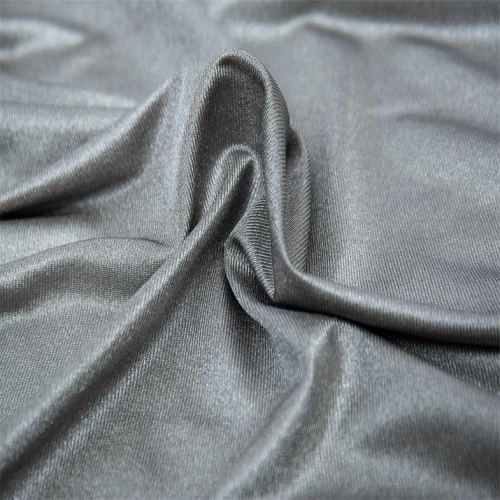
Conductive fiber cloth is typically made by integrating conductive materials, such as silver, copper, or carbon, into traditional textile fibers. This combination results in a fabric that possesses both the flexibility and comfort of textiles and the electrical conductivity of metals. The conductive properties of the cloth can vary depending on the type and amount of conductive material used, as well as the manufacturing process.
One of the key advantages of conductive fiber cloth is its excellent electromagnetic shielding ability. It can effectively block electromagnetic radiation, which is particularly useful in environments where electromagnetic interference (EMI) needs to be minimized. For example, our Electromagnetic Knitted Shielding Cloth is designed to provide high levels of shielding against a wide range of electromagnetic frequencies.
In addition to electromagnetic shielding, conductive fiber cloth also has good antibacterial and anti - odor properties. Silver, in particular, is well - known for its antibacterial effects. When incorporated into the cloth, it can inhibit the growth of bacteria and fungi, making the fabric suitable for applications where hygiene is crucial.
Potential Medical Applications of Conductive Fiber Cloth
Wound Healing
Conductive fiber cloth can play an important role in wound healing. The electrical conductivity of the cloth can be used to create a micro - electrical environment at the wound site. Studies have shown that a mild electrical current can stimulate cell migration, proliferation, and angiogenesis, all of which are essential processes in wound repair.
For example, the antibacterial properties of silver - based conductive fiber cloth can help prevent wound infections. By reducing the bacterial load in the wound, it can create a more favorable environment for healing. Our Anti - radiation Silver Fiber Fabric with its silver content could potentially be used in wound dressings to promote healing while also providing some protection against external electromagnetic radiation.
Health Monitoring
Another promising application of conductive fiber cloth in medicine is health monitoring. Conductive fibers can be used to create wearable sensors that can monitor various physiological parameters, such as heart rate, respiration rate, and body temperature. These sensors can be integrated into clothing, making them unobtrusive and comfortable for the wearer.
For instance, a conductive fiber cloth - based smart shirt could continuously monitor a patient's cardiac activity. The electrical signals generated by the heart can be detected by the conductive fibers in the shirt and transmitted to a mobile device or a medical monitoring system. This real - time monitoring can provide valuable information for early detection of health problems and for personalized healthcare management.

Electrophysiological Therapy
Conductive fiber cloth can also be used in electrophysiological therapy. It can be used to deliver electrical stimulation to specific parts of the body for therapeutic purposes. For example, in physical therapy, electrical stimulation can be used to relieve pain, improve muscle strength, and enhance blood circulation.
The flexibility of conductive fiber cloth allows it to conform to the body's contours, making it more comfortable for patients during therapy. Compared to traditional rigid electrodes, conductive fiber cloth - based electrodes can provide a more uniform electrical field distribution, which may improve the effectiveness of the therapy.
Challenges in Medical Applications of Conductive Fiber Cloth
Biocompatibility
One of the main challenges in using conductive fiber cloth in medical applications is ensuring its biocompatibility. The human body is a complex biological system, and any material introduced into it must be non - toxic, non - allergenic, and non - irritant. Conductive materials such as metals may need to be carefully selected and treated to ensure they do not cause adverse reactions in the body.
Durability and Stability
In medical applications, the conductive fiber cloth needs to maintain its electrical and mechanical properties over an extended period. The cloth may be exposed to various environmental factors, such as moisture, temperature changes, and mechanical stress. Ensuring the durability and stability of the conductive properties is crucial for the long - term effectiveness of medical devices made from conductive fiber cloth.
Regulatory Compliance
Medical devices are subject to strict regulatory requirements. Before conductive fiber cloth - based medical products can be commercialized, they need to meet the standards set by regulatory authorities such as the Food and Drug Administration (FDA) in the United States or the European Union's Medical Device Regulation (MDR). Complying with these regulations can be a time - consuming and costly process.
Opportunities in the Medical Market
Despite the challenges, there are significant opportunities for conductive fiber cloth in the medical market. The growing demand for personalized healthcare and wearable medical devices is driving the need for innovative materials. Conductive fiber cloth, with its unique combination of properties, can meet some of these needs.
The aging population is also a major factor contributing to the growth of the medical market. As people age, they are more likely to suffer from chronic diseases and require continuous health monitoring. Conductive fiber cloth - based wearable sensors can provide a convenient and non - invasive way to monitor the health of the elderly.
Conclusion
Conductive fiber cloth has great potential in medical applications, from wound healing and health monitoring to electrophysiological therapy. However, to fully realize this potential, we need to overcome the challenges related to biocompatibility, durability, and regulatory compliance.
As a supplier of conductive fiber cloth, we are committed to developing high - quality products that meet the requirements of the medical industry. We are constantly researching and innovating to improve the properties of our conductive fiber cloth and to explore new applications.
If you are interested in using conductive fiber cloth for medical applications or have any questions about our products, we invite you to contact us for further discussion and potential procurement. We look forward to working with you to bring the benefits of conductive fiber cloth to the medical field.
References
- Xiong, Y., & Zhang, Y. (2019). Conductive Textiles for Wearable Electronics: A Review. ACS Applied Materials & Interfaces, 11(1), 1 - 21.
- Stoica, G., & Dinescu, M. (2017). Silver Nanoparticles in Wound Healing: A Review. Materials (Basel), 10(11), 1323.
- Jayant, R., & Jayant, A. (2018). Wearable Sensors for Healthcare Monitoring. Proceedings of the IEEE, 106(1), 16 - 40.


