


Hey there! I'm a supplier of Silver Plated Glass Powder, and I've been getting a lot of questions lately about whether this nifty stuff can be used in desalination processes. So, I thought I'd dive into the topic and share what I've found out.
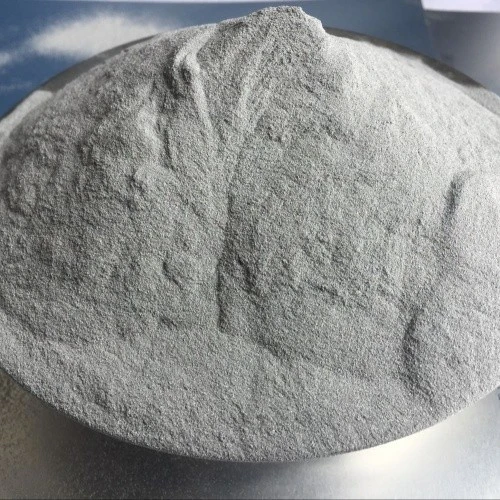
First off, let's talk a bit about what silver plated glass powder is. It's basically glass powder that's been coated with a thin layer of silver. This gives it some unique properties, like good electrical conductivity and high reflectivity. We offer different types of silver plated glass products, such as Silver Plated Glass Microbead Conductive Filler, Silver Coated Glass Microspheres, and Silver Plated Glass Microbeads. These products have a wide range of applications in industries like electronics, coatings, and composites.
Now, onto the big question: Can silver plated glass powder be used in desalination processes? Desalination is the process of removing salt and other impurities from seawater or brackish water to make it suitable for drinking, irrigation, or industrial use. There are several methods of desalination, including reverse osmosis, distillation, and electrodialysis.
Let's start by looking at the properties of silver that might be relevant to desalination. Silver has antibacterial and antifouling properties. In a desalination system, fouling can be a major problem. It occurs when microorganisms, minerals, and other substances build up on the membranes or other components of the system, reducing its efficiency and lifespan. The antibacterial property of silver could potentially help prevent the growth of bacteria and other microorganisms on the desalination equipment, reducing fouling and improving the overall performance of the system.
For example, in a reverse osmosis desalination system, the membranes are the key component. These membranes need to be kept clean to maintain their efficiency in filtering out salt and other impurities. If silver plated glass powder could be incorporated into the membrane material or used as a coating on the membrane, it might help prevent the attachment of bacteria and other foulants. This could lead to longer membrane life and lower operating costs.
Another aspect to consider is the electrical conductivity of silver plated glass powder. In electrodialysis desalination, an electric field is used to separate ions from the water. The ions move through ion - exchange membranes under the influence of the electric field. Silver's high electrical conductivity could potentially enhance the efficiency of the ion - transport process in electrodialysis. If the silver plated glass powder could be used in the electrodes or as a conductive additive in the ion - exchange membranes, it might improve the overall performance of the electrodialysis system.
However, there are also some challenges and limitations. One of the main concerns is the cost. Silver is a precious metal, and using silver plated glass powder in large - scale desalination processes could significantly increase the cost of the desalination plant. This might make it less economically viable, especially in regions where cost is a major factor in the decision - making process.
Another issue is the long - term stability of the silver coating on the glass powder. In a harsh desalination environment, with high salt concentrations and potentially corrosive chemicals, the silver coating might degrade over time. This could reduce its effectiveness in preventing fouling or enhancing electrical conductivity.
There's also the question of environmental impact. While silver has antibacterial properties, excessive silver release into the environment could have negative effects on aquatic ecosystems. If the silver plated glass powder were to leach silver ions into the treated water or the surrounding environment, it could harm aquatic organisms.
In terms of research, there isn't a whole lot of published work specifically on using silver plated glass powder in desalination. Most of the research on silver in desalination has focused on silver nanoparticles or silver - based coatings on traditional materials. But the unique properties of silver plated glass powder, such as its combination of the physical properties of glass and the chemical properties of silver, could make it an interesting candidate for further study.
To sum it up, there is potential for silver plated glass powder to be used in desalination processes. Its antibacterial and electrical conductivity properties could offer some benefits in terms of reducing fouling and improving the efficiency of desalination systems. However, there are also significant challenges, including cost, long - term stability, and environmental impact, that need to be addressed.
If you're in the desalination industry or involved in research related to desalination, I'd love to hear your thoughts on this. Maybe we could collaborate on some experiments or projects to explore the potential of silver plated glass powder in desalination. Whether you're interested in our Silver Plated Glass Microbead Conductive Filler, Silver Coated Glass Microspheres, or Silver Plated Glass Microbeads, we're here to provide you with high - quality products. If you have any questions or want to discuss potential applications, don't hesitate to reach out. We're always open to new ideas and partnerships in exploring the possibilities of our silver plated glass powder products.
References
- Research papers on antibacterial properties of silver in water treatment.
- Literature on the cost - effectiveness of desalination technologies.
- Studies on the environmental impact of silver in aquatic ecosystems.


