


Hey there! As a supplier of Silver Plated Glass Powder, I often get asked about how to test the quality of this stuff. It's a crucial step, especially for those who are looking to use it in various applications like in electronics, coatings, or even some high - tech materials. So, let's dive right into it!
Visual Inspection
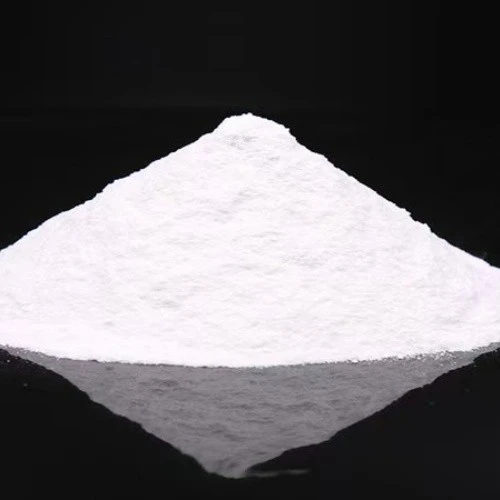
The first and simplest way to start testing the quality of silver plated glass powder is through visual inspection. Take a close look at the powder under a magnifying glass or a microscope if you have one. The powder should have a consistent color. High - quality silver plated glass powder usually has a bright, shiny silver appearance. If you see any discoloration, like patches of dullness or a greenish tint, it could be a sign of oxidation or poor plating.
Also, check for the uniformity of the particles. The powder should be made up of particles that are similar in size and shape. If there are large clumps or a wide range of particle sizes, it might indicate problems during the manufacturing process. For example, if the plating process was not well - controlled, some particles might not be fully coated, or there could be agglomeration.
Adhesion Test
The adhesion of the silver layer to the glass powder is super important. After all, if the silver doesn't stick well to the glass, it won't perform as expected in applications. One simple way to test adhesion is the tape test. Take a piece of clear tape and press it firmly onto a small sample of the silver plated glass powder. Then, quickly peel the tape off. If a large amount of silver comes off with the tape, it means the adhesion is poor.
Another more advanced method is the scratch test. Use a very fine needle or a hard object with a sharp tip to gently scratch the surface of the powder. If the silver layer easily flakes off or shows signs of separation from the glass, the adhesion is not up to par. Good adhesion ensures that the silver plated glass powder will maintain its properties over time, especially in environments where it might be subject to mechanical stress.
Conductivity Test
Since silver is a great conductor of electricity, one of the key properties of silver plated glass powder is its conductivity. To test the conductivity, you can use a multimeter. First, prepare a sample of the powder by pressing it into a small pellet or spreading it evenly on a conductive surface. Then, connect the probes of the multimeter to the sample.
A high - quality silver plated glass powder should have a relatively low resistance. If the resistance is too high, it could mean that the silver layer is too thin, or there are gaps in the plating. This can be a major issue, especially in applications where conductivity is crucial, like in Silver Coated Glass Microspheres used in electronic circuits.
Chemical Analysis
Chemical analysis can provide more in - depth information about the quality of the silver plated glass powder. One common method is energy - dispersive X - ray spectroscopy (EDX). This technique can tell you the elemental composition of the powder. You can check if the silver content is as expected and if there are any impurities.
For example, if there are high levels of other metals or non - metallic elements, it could affect the performance of the powder. Another method is X - ray diffraction (XRD), which can help determine the crystal structure of the silver layer. A well - plated silver layer should have a proper crystal structure, which is important for its conductivity and other properties.
Particle Size Analysis
The particle size of the silver plated glass powder can also impact its performance. You can use a particle size analyzer to measure the size distribution of the particles. Different applications may require different particle sizes. For instance, in Conductive Antistatic Powder, a specific particle size range might be needed to ensure proper dispersion and conductivity.
If the particle size is too large, it might not mix well with other materials, and if it's too small, it could lead to issues like agglomeration. So, getting the right particle size is crucial for the overall quality of the powder.
Environmental Testing
The performance of silver plated glass powder can be affected by the environment. You can perform environmental tests to see how the powder holds up under different conditions. For example, expose the powder to high humidity or high temperatures for a certain period.
If the powder starts to oxidize or the silver layer starts to degrade under these conditions, it might not be suitable for applications in harsh environments. This is especially important for Silver Plated Glass Microbead Conductive Filler used in outdoor or industrial settings.

Conclusion
Testing the quality of silver plated glass powder is a multi - step process. By using a combination of visual inspection, adhesion tests, conductivity tests, chemical analysis, particle size analysis, and environmental testing, you can get a comprehensive understanding of the powder's quality.
If you're in the market for high - quality silver plated glass powder, I'd love to talk to you. Whether you're working on a small - scale project or a large - scale industrial application, we can provide you with the right product that meets your quality requirements. Don't hesitate to reach out and start a conversation about your needs.
References
- Smith, J. (2020). "Advanced Testing Methods for Metal - Coated Powders". Journal of Material Science.
- Johnson, A. (2019). "The Importance of Particle Size in Conductive Powders". Materials Research Bulletin.


