


Hey there! As a supplier of Conductive Antistatic Powder, I've got a ton of info to share about its chemical properties. Let's dig right in!
Basic Composition and Structure
Conductive Antistatic Powder typically consists of a core material and a conductive coating. The core can be various substances like glass microspheres or polymers, which provide the powder with its physical shape and some basic mechanical properties. The conductive coating is usually made of metals such as silver or carbon - based materials.
Silver is a popular choice for the coating because of its excellent electrical conductivity. When we're talking about silver - coated powders, we've got some great products like Silver Coated Glass Microspheres and Conductive Silver Plated Microspheres. The silver layer is what gives these powders their conductive properties. It forms a continuous path for electrons to flow, which is essential for antistatic purposes.
The structure of the powder is also crucial. The particles are usually spherical or near - spherical. This shape allows for good packing density, which in turn affects the conductivity of the final product. When the powder is mixed into a matrix (like a polymer resin), the spherical particles can touch each other more effectively, creating a better conductive network.
Electrical Conductivity
One of the most important chemical properties of Conductive Antistatic Powder is its electrical conductivity. Conductivity is measured in units like Siemens per meter (S/m). The conductivity of our powder depends on several factors, including the type of conductive material used, the thickness of the conductive coating, and the particle size.
Silver - coated powders generally have very high conductivity. Silver is one of the best conductors of electricity, so even a thin layer of silver on the surface of the core particles can result in good electrical conductivity. For example, Conductive Filled Glass Microbeads with a silver coating can have conductivity values that are suitable for a wide range of antistatic applications.
Particle size also matters. Smaller particles tend to have a larger surface area per unit volume. When the particles are small, they can form a more extensive conductive network in a given volume of the matrix. This means that the electrical conductivity of the composite material (made by mixing the powder with a polymer, for example) is higher. However, very small particles can also be more difficult to disperse evenly in the matrix, which can affect the overall performance.
Chemical Stability
Chemical stability is another key aspect. Our Conductive Antistatic Powder needs to be stable in different chemical environments. After all, it might be used in products that are exposed to various chemicals during their manufacturing or use.
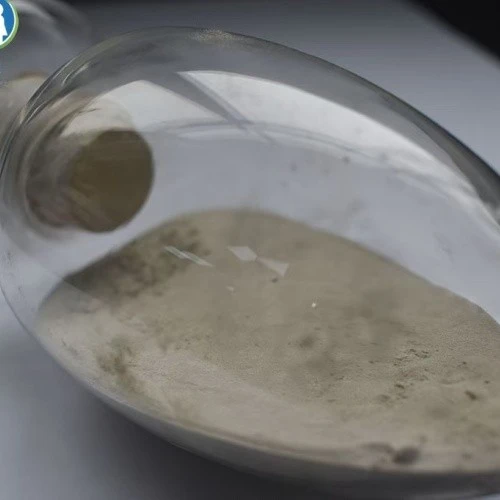

The silver coating on the powder is relatively stable under normal conditions. It doesn't react easily with oxygen at room temperature, which means the conductivity of the powder won't change significantly over time due to oxidation. However, in some harsh chemical environments, like acidic or alkaline solutions, silver can react. For example, in a strong acidic solution, silver might dissolve to some extent, which would reduce the conductivity of the powder.
To improve the chemical stability, we sometimes use surface treatments on the powder. These treatments can form a protective layer on the surface of the particles, preventing them from reacting with the surrounding chemicals. This is especially important in applications where the powder is in contact with corrosive substances.
Thermal Properties
Thermal properties are also worth considering. Conductive Antistatic Powder should be able to withstand changes in temperature without losing its conductive properties. In most cases, the powders are stable over a certain temperature range.
The silver coating on the powder has good thermal conductivity. This means that it can transfer heat effectively. When the powder is used in a composite material, it can help to dissipate heat, which is beneficial for the overall performance of the product. For example, in electronic devices, heat dissipation is crucial to prevent overheating and damage.
However, at very high temperatures, the structure of the powder can change. The silver coating might start to sinter or melt, which can affect the conductivity. So, it's important to know the maximum temperature that the powder can withstand in a particular application.
Compatibility with Other Materials
The Conductive Antistatic Powder needs to be compatible with other materials in the final product. For example, when it's mixed with a polymer resin, it should disperse evenly and not cause any chemical reactions that could damage the resin or reduce its mechanical properties.
In general, our powders are designed to be compatible with a wide range of polymers. We've done a lot of testing to ensure that when the powder is added to a polymer, it doesn't cause any issues like phase separation or reduced strength. The surface of the powder particles can be modified to improve their compatibility with different polymers. This might involve adding functional groups to the surface that can interact with the polymer molecules.
Applications Based on Chemical Properties
The chemical properties of Conductive Antistatic Powder make it suitable for a variety of applications. In the electronics industry, it's used to make antistatic packaging materials. The high conductivity of the powder helps to dissipate static electricity, protecting sensitive electronic components from damage.
In the automotive industry, it can be used in coatings for car interiors. These coatings not only provide an antistatic effect but also have good durability due to the chemical stability of the powder.
In the textile industry, the powder can be incorporated into fibers to make antistatic fabrics. The compatibility of the powder with the textile materials allows for a uniform distribution, resulting in effective antistatic performance.
Conclusion
So, there you have it - a rundown of the chemical properties of Conductive Antistatic Powder. From its basic composition and electrical conductivity to its chemical stability, thermal properties, and compatibility with other materials, each aspect plays a crucial role in its performance.
If you're in need of high - quality Conductive Antistatic Powder for your application, don't hesitate to reach out. We're here to provide you with the best products and technical support. Whether you're working on a large - scale industrial project or a small research initiative, our Conductive Antistatic Powder can meet your needs.
References
- Handbook of Conductive Polymers
- Advanced Materials for Antistatic Applications


