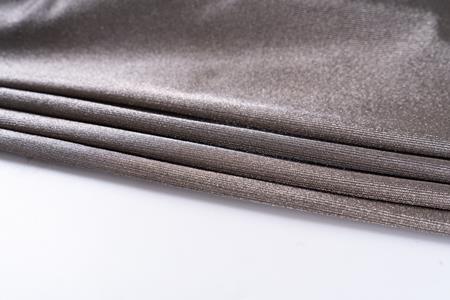
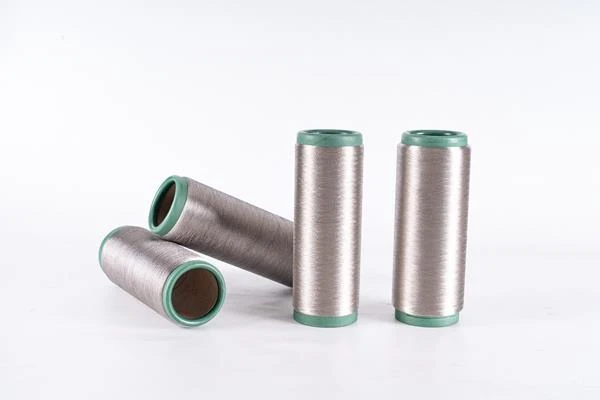
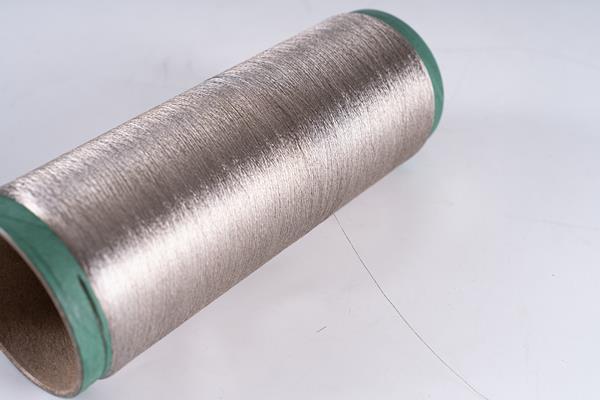
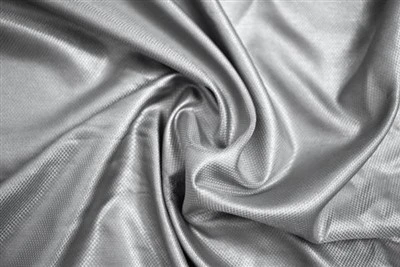
Copper-nickel conductive fiber fabrics, as an economical alternative to silver fibers, hold a significant market position in cost-sensitive scenarios with moderate performance requirements. The choice of application areas is often based on a comprehensive trade-off between electromagnetic shielding effectiveness, environmental tolerance, and budget constraints, resulting in differentiated technological positioning.
The demand for copper-nickel conductive fiber fabrics continues to grow in the communications infrastructure sector. The construction of 5G base stations has spurred large-scale procurement of radomes and equipment room shielding materials. Copper-nickel fiber nonwoven fabrics, as lightweight electromagnetic shielding linings, are used in base station cabinet inner walls, ventilation waveguide windows, and cable shielding sleeves, achieving shielding effectiveness of 35-55dB in the main 5G frequency band of 700MHz-6GHz.
Applications in the transportation sector demonstrate the environmental adaptability advantages of copper-nickel conductive fibers. Battery pack shielding covers and motor controller housing gaskets in new energy vehicles extensively utilize copper-nickel fiber composite materials. The shielding bulkheads of communication equipment in ship cabins utilize the moisture and heat resistance properties of copper-nickel fiber fabrics to maintain long-term stable shielding performance in the high-salt-spray environment of the ocean.
Applications of copper-nickel conductive fibers in the military and security sectors emphasize a balance between cost-effectiveness and reliability. The electromagnetic shielding lining of the field command tent uses double-sided knitted copper-nickel fiber fabric, which is 60% lighter than metal mesh. After folding and storage, its shielding effectiveness decreases by less than 3dB, meeting the military electromagnetic shielding requirements of GJB 5792 standard.
It is noteworthy that technological iterations in copper-nickel conductive fiber fabrics are driving the continuous expansion of their application boundaries. By optimizing the grain structure of the coating through pulse electroplating, the bending resistance of the new generation of copper-nickel fibers has been improved to over 100,000 cycles, laying the foundation for the development of flexible wearable shielding clothing. In the context of a circular economy, the chemical stripping and recycling technology for copper-nickel coatings is becoming increasingly mature, enabling a metal recovery rate of over 95% for waste shielding fabrics, resulting in a significantly better lifecycle environmental footprint than disposable electromagnetic shielding materials.