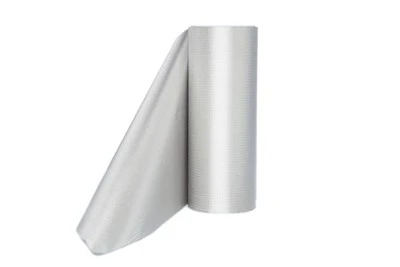
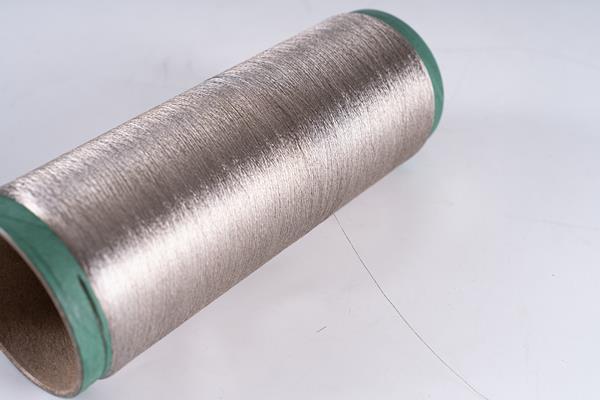
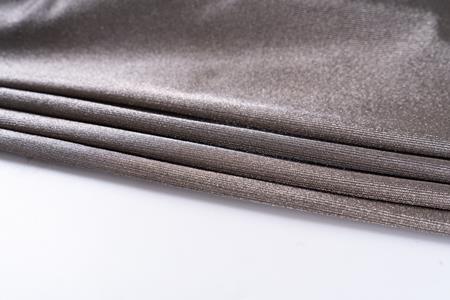
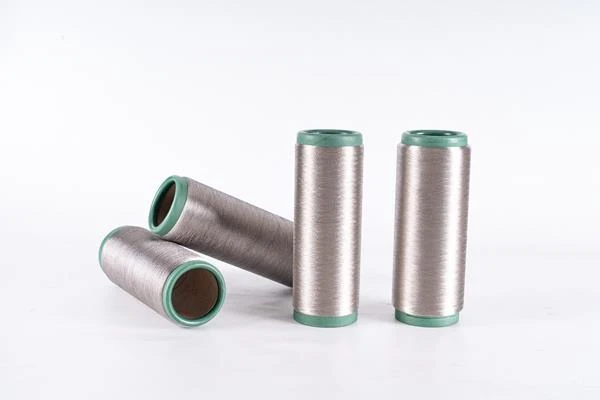
Radiation-shielding fabric is an electromagnetic shielding textile made from a composite of metal micromesh and natural fiber fabric. Its core structure consists of a conductive mesh layer formed by interwoven metal filaments with a diameter of 3-50 micrometers. The outer layer is combined with natural materials such as cotton, linen, and silk through embroidery or sewing, combining protective and decorative properties. It achieves radiation protection by reflecting electromagnetic waves through the metal mesh. When the mesh opening is smaller than 1/4 of the electromagnetic wave wavelength, it can effectively shield radiation in the 10MHz-30GHz frequency band.
This fabric comes in types such as metal fiber and silver fiber. Metal fiber fabric is made with a stainless steel wire blend, is breathable, washable, and has a lower cost, making it suitable for civilian applications such as maternity wear. Silver fiber fabric achieves higher shielding efficiency (45-60 dB) through a silver ion plating layer and also has antibacterial properties, but it has limitations such as easy oxidation and higher price. It is mainly used in special protective clothing and partial shielding layers in radiation-shielding clothing. When purchasing, it is necessary to distinguish between metal coating and fiber silver plating processes; the latter is more suitable for close-fitting use because it leaves no chemical residue.
First, it's important to understand the principle behind anti-radiation fabric:
Anti-radiation fabric works by using the shielding effect of metal to block radiation.
The metal threads are spun from microfilaments with a diameter between 3 and 50 micrometers. This microfilament mesh is sandwiched between two layers of natural fabric, which are then sewn together into a single layer using embroidery or sewing. The embroidery or sewing threads protect the metal threads and create decorative patterns.