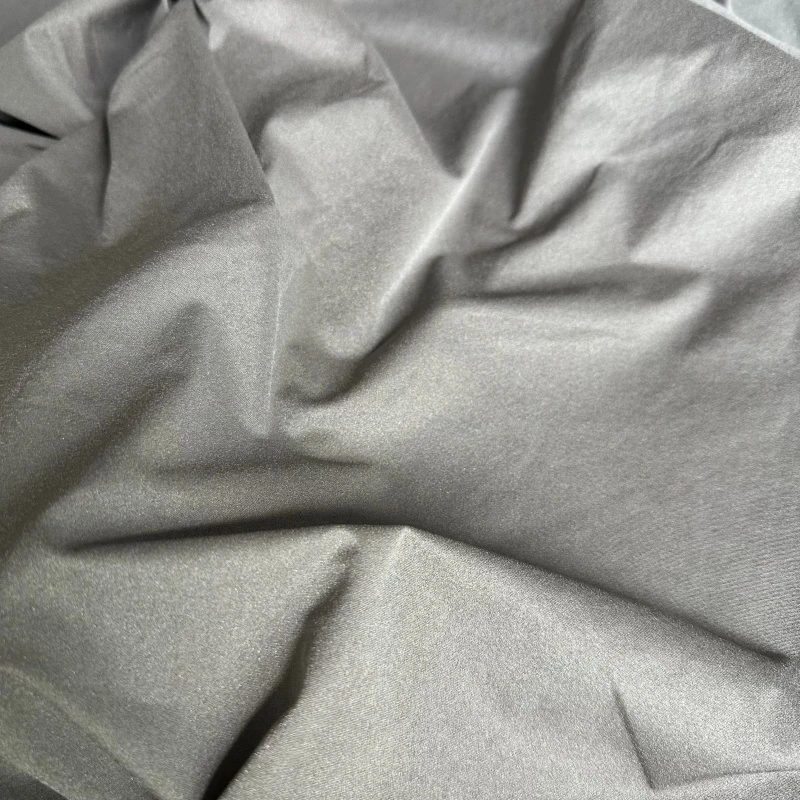
Antistatic fabrics are special fabrics made by embedding conductive fibers or applying special coatings to textile materials, effectively dissipating static electricity. Their core technologies include conductive fiber blending processes (such as stainless steel fiber mesh, casein-modified acrylic yarn combined with metallic yarn), inlay weaving structural design (two-up, two-down node weaving), and waterproof and breathable composite finishing processes. Product characteristics include durable antistatic properties, washability, and multi-functional composite (waterproof and breathable), and they are widely used in petrochemical protective clothing, cleanroom work clothes, and home textiles such as carpets and blankets.
By embedding conductive fibers to construct a conductive mesh structure, a static discharge channel is formed. The warp yarns use a 1:1 arrangement of casein-modified acrylic yarn and metallic twisted yarn, while the weft yarns combine loop yarns to maintain the fabric's loose texture. When organic conductive fibers are combined with a polyurethane coating, waterproof and breathable functions are simultaneously achieved through a microporous membrane. The inlay weaving process creates dense nodes of antistatic fibers on the fabric surface, and the two-up, two-down weave structure ensures the stability of the conductive network meets national standards.