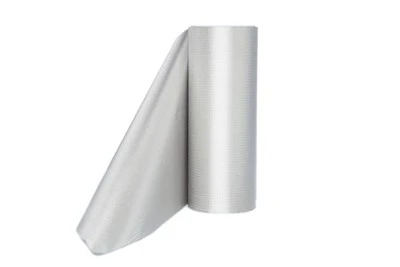
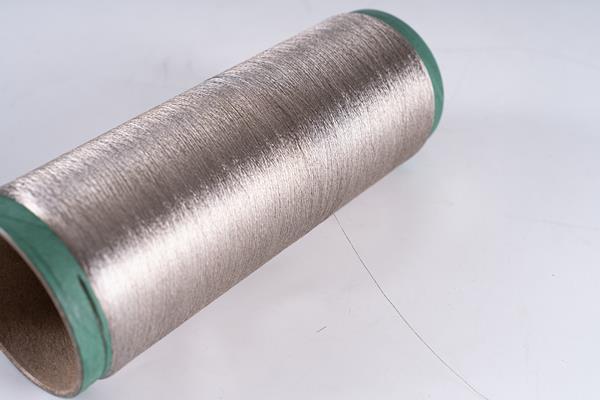
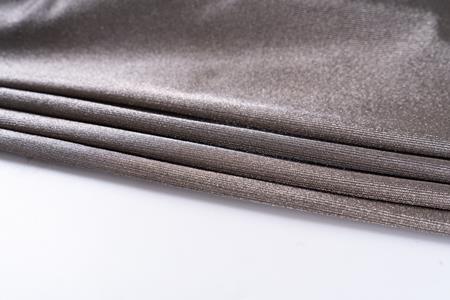
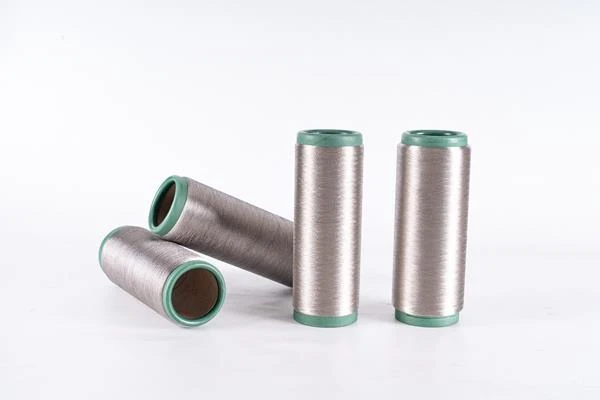
Copper ion fiber is a synthetic fiber containing copper, belonging to the category of artificial antibacterial fibers. Its antibacterial function is achieved by integrating copper compounds. It utilizes the broad-spectrum antibacterial properties of copper ions to block the spread of pathogens, and features high safety, heat resistance, and strong chemical stability.
It is mainly used in underwear, home textiles, and medical textiles, and is often produced through processes such as blending spinning, finishing, or grafting modification.

Production method
Processing methods for artificial antibacterial fibers include blending spinning, finishing, and grafting modification.
1. Blending spinning: Nanoscale copper compound powder is added to the raw material before spinning. Fibers produced using this method have copper ions encapsulated within the fiber, resulting in excellent wash resistance and long-lasting effects, but the antibacterial effect may be slightly slower to take hold.
2. Finishing: Ordinary yarn is impregnated or coated with an antibacterial solution containing copper ions.
3. Grafting modification: Copper ions are "grafted" onto the fiber molecules through a chemical reaction, forming chemical bonds. Fibers produced using this method have optimal performance, combining high efficiency and durability, but the technology is complex and technically challenging.