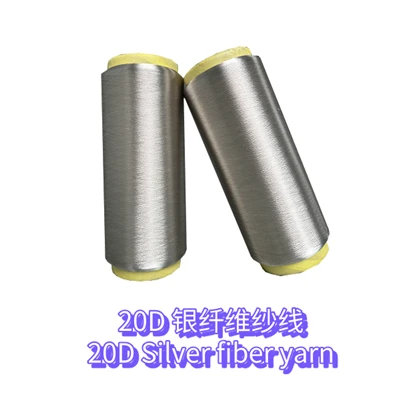
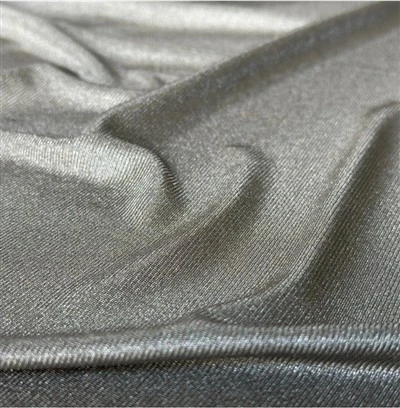
Antimicrobial fibers are functional fibers that play a crucial role in preventing the spread of disease, maintaining hygiene, and protecting textiles. They are generally divided into natural and synthetic antimicrobial fibers. Among them, synthetic antimicrobial fibers with added metal ion antimicrobial agents have seen rapid development in recent years. These fibers are characterized by high safety, no drug resistance, and excellent heat resistance and chemical stability, thus finding widespread application in the fiber industry. The most commonly used inorganic antimicrobial agents are silver, copper, and zinc.
Silver ion antimicrobial fibers have been widely used over the past decade. However, due to the high price of silver, manufacturers have struggled to achieve the ideal proportion when adding silver ions to fibers. Research has found that most copper compounds are soluble, meaning that copper ions entering the body exist in a dissolved state and are more easily excreted through metabolism, unlike silver ions. Therefore, using copper instead of silver ion antimicrobial textiles has become an industry consensus and trend. About ten years ago, copper fibers began to be used in Europe and America, initially in products such as hypoallergenic cosmetic brushes, towels, and mattresses. This marked the beginning of the antimicrobial functional textile market and achieved strong sales performance in the local market.