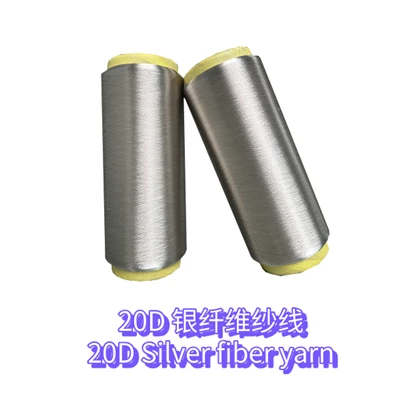
Electromagnetic shielding fabric is a functional material made through special processes (such as metal fiber blending, metal plating, or conductive coating), primarily used to block or attenuate electromagnetic radiation. Its main performance characteristics include:
Electromagnetic shielding effectiveness: This is the core indicator, usually expressed in decibels (dB). High-quality shielding fabric can achieve a shielding effectiveness of 30-60dB or higher in the 30MHz-3GHz frequency band, corresponding to a radiation blocking rate of 99.9% to 99.999%, effectively protecting against electromagnetic waves generated by common electrical appliances such as mobile phones, computers, and microwave ovens.
Conductivity: The lower the surface resistivity, the better the shielding effect. Typically, a resistance of less than 100 milliohms/cm² is required to quickly conduct static electricity or induced current, preventing secondary radiation.
Breathability and comfort: Unlike ordinary pure metal plates, shielding fabric needs to consider the wearing or usage scenarios. By blending with natural fibers (such as cotton and polyester) or using microporous coating technology, good breathability and moisture permeability can be maintained while ensuring shielding effectiveness, making it suitable for making maternity wear, anti-radiation clothing, shielding curtains, etc. Washability and Durability: Frequent washing can affect the structure of metal fibers or coatings; therefore, high-quality products should not experience a shielding rate decrease of more than 10%-20% after dozens of standard washes. They should also possess certain resistance to abrasion and bending.
Environmental Protection and Safety: Products should be free of excessive heavy metals (such as lead and cadmium), have no irritating odor, and cause no allergic reactions upon skin contact. Some products also possess additional functions such as antibacterial and flame retardant properties.