


Hey there! As a supplier of nickel - silver - plated powder, I often get asked about the thermal conductivity of this unique material. So, let's dive right into it and explore what makes the thermal conductivity of nickel - silver - plated powder so interesting.

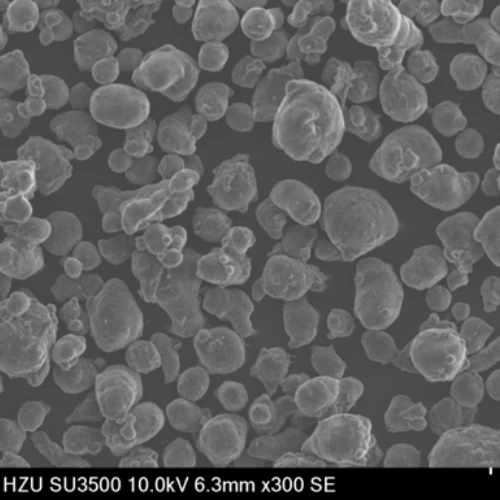
First off, let's understand what nickel - silver - plated powder is. It's a type of powder where a layer of silver is plated onto nickel particles. This combination brings together the properties of both nickel and silver, creating a material with some pretty cool characteristics.
Silver is well - known for its excellent thermal conductivity. In fact, it's one of the best conductors of heat among metals. It has a thermal conductivity of around 429 W/(m·K) at room temperature. That's because silver has a high number of free electrons that can easily transfer heat energy. When heat is applied to silver, these electrons start moving around, carrying the heat from one part of the material to another.
Nickel, on the other hand, has a lower thermal conductivity compared to silver. Its thermal conductivity is approximately 90.7 W/(m·K) at room temperature. Nickel has a different atomic structure and electron configuration than silver, which affects how heat is transferred through it.
Now, when we talk about nickel - silver - plated powder, the thermal conductivity is a bit more complex. The silver plating on the nickel particles plays a crucial role. The thin layer of silver on the surface of the nickel particles can enhance the overall thermal conductivity of the powder. This is because the silver layer provides a highly conductive pathway for heat to flow.
However, the actual thermal conductivity of the nickel - silver - plated powder depends on several factors. One of the main factors is the thickness of the silver plating. A thicker silver layer will generally result in higher thermal conductivity because there is more of the highly conductive silver available to transfer heat.
Another factor is the size and shape of the powder particles. Smaller particles with a larger surface - to - volume ratio can have better thermal conductivity. This is because there is more surface area for heat transfer to occur. If the particles are well - dispersed, it also helps in improving the overall heat transfer efficiency.
The packing density of the powder also matters. A higher packing density means that the particles are closer together, which can facilitate better heat transfer between them. But if the packing is too tight, it might also create some air gaps that can act as insulators and reduce the thermal conductivity.
In industrial applications, the thermal conductivity of nickel - silver - plated powder is quite important. For example, in electronic devices, heat management is crucial. Using a material with good thermal conductivity can help dissipate heat more effectively, preventing overheating and improving the performance and lifespan of the device.
If you're in the market for high - quality nickel - silver - plated powder, we've got you covered. We offer a variety of products, including Silver Plated Nickel Alloy Powders, Filling Material Silver Nickel Powder, and Nickel Silver Powder.
Our powders are carefully manufactured to ensure consistent quality and the right balance of properties, including thermal conductivity. Whether you're working on a small - scale project or a large - scale industrial application, our nickel - silver - plated powder can meet your needs.
If you're interested in learning more about our products or want to discuss a potential purchase, don't hesitate to reach out. We're always happy to have a chat and help you find the best solution for your specific requirements.
In conclusion, the thermal conductivity of nickel - silver - plated powder is a fascinating topic. It combines the properties of nickel and silver to create a material that can offer good heat transfer capabilities. By understanding the factors that affect its thermal conductivity, you can make better decisions when it comes to using this material in your projects.
References:
- "Thermal Conductivity of Metals", Metallurgy Handbook
- "Properties of Silver and Nickel Alloys", Materials Science Journal


