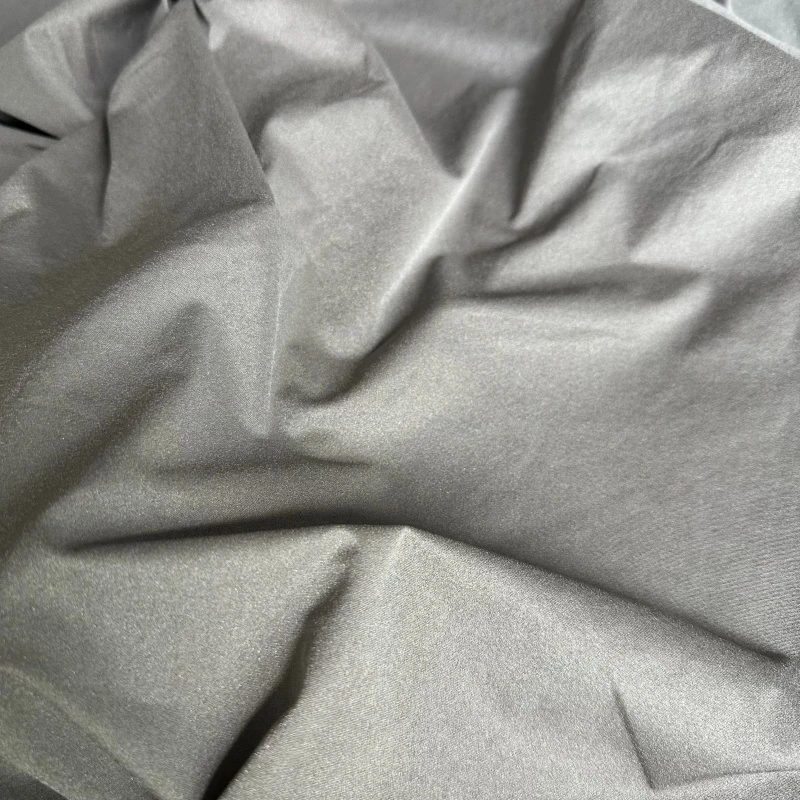
The conductive shielding fabric contains conductive metal fibers such as silver, copper, and nickel. When completely wrapped around a mobile phone, it forms a Faraday cage, effectively blocking electromagnetic waves from mobile communication and rendering the phone unable to make calls. Mobile phone calls and 4G/5G signals rely on high-frequency radio waves to communicate with base stations. When the conductive fabric comes into contact with electromagnetic waves, it generates reverse eddy currents, reflecting and absorbing radio frequency signals, blocking signal penetration.
If a mobile phone is tightly wrapped in multiple layers without gaps or exposed antennas, the phone's signal strength will drop to zero within a short time, displaying "No Service," and outgoing calls will fail. External calls will be met with a message indicating that the call is temporarily unavailable. With only a single layer of wrapping or gaps at the corners, the shielding effect is significantly reduced, and signals can still leak, allowing the phone to make calls normally.
This shielding fabric is soft and durable, unlike easily damaged tin foil. It is often made into shielding bags for use in secure locations to isolate mobile communication, location, and Bluetooth/Wi-Fi signals, preventing information leakage. After the wrapping is removed, the phone will quickly re-search for the network and resume normal communication.