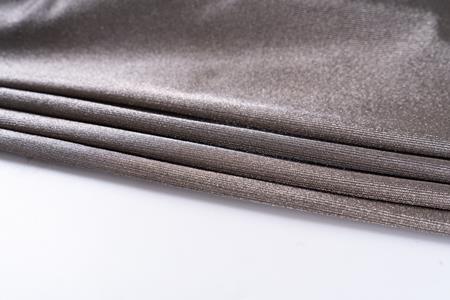
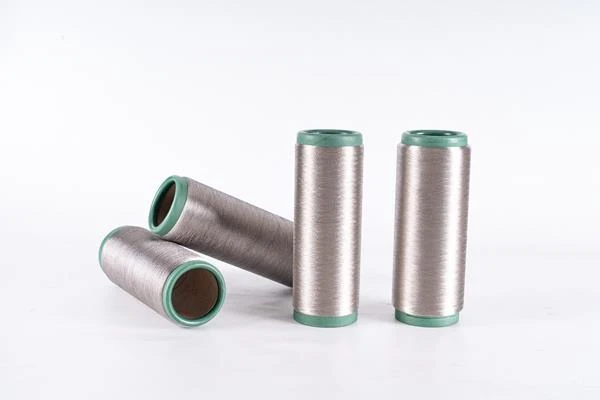
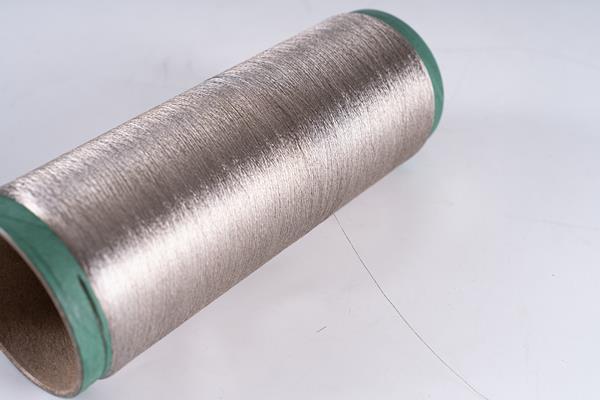
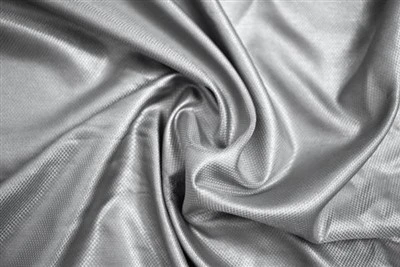
Antistatic fabrics are widely used in various industrial settings and special environments sensitive to or posing a risk of electrostatic hazards. In the electronics and semiconductor manufacturing industry, antistatic fabrics are a core material for cleanroom workwear, effectively preventing the accumulation of static charges generated by human activity. This avoids electrostatic breakdown or dust contamination of precision integrated circuits, wafers, and other components, ensuring high yield rates in chip manufacturing. The petrochemical industry also relies on antistatic fabrics for explosion-proof workwear. In flammable and explosive gas or dust environments, electrostatic discharge can cause serious safety accidents. Antistatic fabrics made with conductive fiber blends can promptly dissipate static charges, eliminating ignition sources.
The demand for antistatic fabrics in the medical and healthcare sector is increasing. Critical areas such as operating rooms and ICUs require medical personnel to wear clothing with stable antistatic properties to prevent electrostatic interference with the normal operation of precision medical equipment and to avoid the adsorption of microbial particles that could affect the sterile environment. GMP workshops in the pharmaceutical industry and aseptic operating rooms in food processing also use antistatic fabrics as standard equipment to ensure the cleanliness and safety of the production process.
The aerospace and military industries have set higher standards for antistatic fabrics. High-level antistatic protective equipment is required for scenarios such as aircraft fuel system maintenance, ammunition assembly, and rocket propellant handling. Some special applications also require fabrics to possess composite functions such as flame retardancy and chemical corrosion resistance. Furthermore, in industrial processes involving high-speed triboelectric charging, such as textile dyeing, printing and packaging, and plastics processing, protective equipment such as aprons, sleeves, and gloves made from antistatic fabrics can effectively improve the working environment and reduce process failures and product quality problems caused by static electricity. With the continuous development of intelligent manufacturing and precision industries, antistatic fabrics are evolving from basic protection to functional integration, becoming an indispensable key material in modern industrial safety systems.